
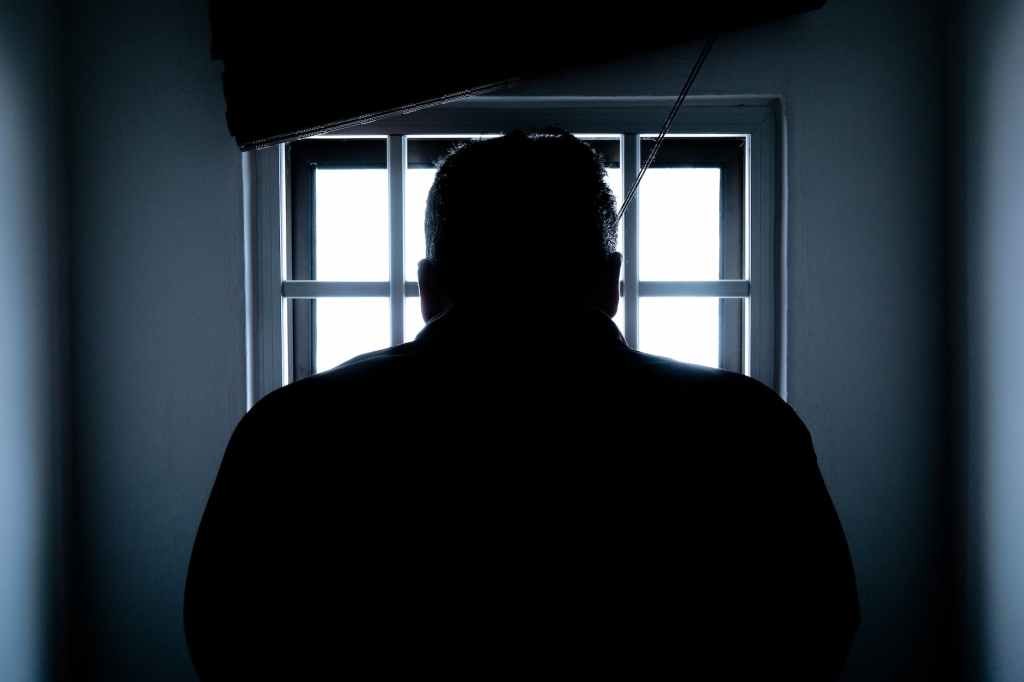
The criminal justice system of India does not give due consideration to one of the most pressing issues in the context of prisoners, which is mental health. Relatively, mental health problems are more likely to occur in prisoners than in the general population due to various factors, ranging from environmental or physical to emotional or psychological. The atmosphere in which inmates are housed differs greatly from that of the outside world. Naturally, they are denied access to all forms of luxury, but it is also frequently observed that even while every prisoner may be in the same surroundings, each person’s experience may vary greatly in terms of severity. Certain experiences could be more harmful than others for various people due to differences in their physiological makeup.
In this article, the author relies upon domestic and international laws to reiterate the recognition of mental health concerns, specifically in prisoners.
MENTAL HEALTH
Mental health is a growing field that has gained momentum only recently. To prevent any discrepancy in numerous understandings, it is important to lay down the most straightforward definition of mental health for the readers. As defined by World Health Organization[1], mental health is a state of mental well-being that enables people to cope with the stresses of life, realize their abilities and contribute to their community. It is a fundamental human right and is crucial to an individual’s personal, communal and socio-economic development. These mental health problems can be witnessed in different groups like women, children, prisoners, etc.
With the introduction of the Mental Health Act, 2017[2], the law has evolved to decriminalize “attempt to Suicide,” recognizing the grave amount of stress on the person who has tried to commit suicide. As the number of individuals with mental health and substance abuse conditions increases, the criminal justice system faces enormous fiscal, health and human costs. The responsibility of rehabilitation lies upon the national, state and local authorities to woo these people into a more culturally competent community-based mental health care.
PRELIMINARY FACTORS
There can be several reasons as to why these mental health concerns manifest themselves in prisoners prominently. Limited social interaction might make a person feel detached, lonely and isolated. It is also evident in the broader context that prolonged periods of solitude can result in a disorder known as post-traumatic stress disorder. An individual feels anxious, restless, and hyper vigilant. This is particularly heightened in the case of solitary confinement, where contact with the outside world is minimal. The jail environment is also not conducive where, often, inmates are not even provided with the necessities like clean drinking water, food, and hygienic washrooms. Another issue that has surfaced in the past few years is Prison overcrowding. It is important to remember that not every prisoner has the same effects from overcrowding. Some people may be more negatively impacted by the loss of social space and privacy than others. Stress, physical or verbal aggression, aloofness, or withdrawal may result from it. This even led to a decision by the honorable Supreme Court to release some of the prisoners[3] during COVID-19. All these conditions portray how the environment has a prominent effect on a person’s mental health and therefore, to enforce human rights in prisons, these environmental concerns need to be dealt with as a priority. Apart from this, An ongoing state of shame and self-loathing might cause someone to retreat from society. He may have a hostile and uneasy feeling all the time. Because these behaviors have been ingrained in the person’s psyche, they persist even after release.
POST-CONVICTION ISSUES
It is pertinent to note that mental health disorders may manifest differently for different people. These problems are usually associated with severe distress, unfavorable environment or lack of mediating resources. If these issues are not addressed at an appropriate time, they may have grievous consequences. For instance, many prisoners have reported substance abuse as an addiction. Using various drugs and substances to relieve anxiety, depression, and other mental complexities can be a crucial factor in the high prevalence of substance abuse in prisons. It can incur substantial medical and health costs on the system because there are chances of overdose, which might even lead to death in some cases. Being convicted of a crime or even an ex-convict carries a certain stigma. Although they frequently get vocational training while incarcerated, ex-offenders rarely find employment in the same field after being released from prison. Because of this, the ex-offender is far more likely to commit crimes in the future.
Another relevant issue in this context is the alarming rate of suicide cases inside the prisons. Suicide, in general, is the fourth leading cause[4] of death among 15-29 year olds and this situation is further exacerbated in the prison environment. The Commonwealth Human Rights Initiative reports that prisoners are twice as likely to die by suicide as the general Indian population. A significant gap lies between those who need care and those with access to care. There have been initiatives under various law faculties to give legal aid to the prisoners- Project 39A[5] under National Law University, Delhi and Project ASHA under Ram Manohar Lohiya National Law University, Lucknow, to name a few. Yet the problem persists because these initiatives require substantial cooperation and involvement of the authorities to deal with the issue of mental health and mitigate its effects.
INTERVENTION MODEL
A recent surge in the number of prisoners facing mental health issues calls for a harmonious working of different organs of the government to deal with the effects of the problem. Even severe psychological problems can be controlled with the aid of medicine, family intervention, psychological education, and rehabilitation. Additionally, a person can receive treatment with the use of beneficial practices like meditation. Programs like Sudarshan Kriya and Bhatrika Pranayam have also come to light that effectively instruct convicts in yoga techniques facilitating mental and physical well-being. The judiciary is the stalwart in upholding the fundamental rights of the citizens. The Constitution of India has guaranteed the right to life and liberty under Article 21[6]. Therefore, it is the fundamental right of an individual to seek remedy from the courts in the form of better living conditions and a forum to seek help regarding mental health problems. It is also imperative to recognize that being in prison does not render an individual’s fundamental right to a clean environment and necessities of life, ineffective. International conventions such as the Universal Declaration of Human Rights[7] and the International covenant on civil and political rights[8] ensure right to life for all human beings across the globe. Being a ratifying county to these conventions, the state must consider the situations of the aggrieved and ensure justice. The first step in this direction is to deal with the stigma around mental health issues and people who deal with them and sensitize people towards its existence. To ensure that the criminal justice system aims for justice, we must consider cases in their context and how legal practices disproportionately impact individuals with mental health conditions at each stage of involvement with the criminal justice system. Therefore, in the present context, prison staff should be trained so that there is a grievance redressal mechanism at the prison level for people who find it challenging to deal with such complexities. Individuals who are subjected to unfair treatment and harassment might gain relief due to these steps. Furthermore, a critical step to deal with the issue at the grassroots level is to include this as a discipline to be studied in law schools; this would be a progressive step regarding effective dealing with the issue. Advocates well-versed in their client’s problems would be better positioned to negotiate and communicate effectively in their favor. To deal with the psychological impact of the prison environment, ensuring a minimal level of privacy for the inmates through curtains or cell divisions is another crucial aspect of prisoner overcrowding that must be addressed in order to address psychological overpopulation
CONCLUSION
Therefore, there is an inherent overlap between mental health and the criminal justice system; the state is duty-bound to take note of it and make the justice dispensation process more collaborative and inclusive. It is essential to recognize the violation of human rights that often takes place at different stages of justice dispensation and mitigate it strategically.
[1] Mental Health, World Health organization (June 17, 2022), Mental health (who.int).
[2] Mental Health Act, 2017, No. 10, Acts of Parliament, 2017.
[3] Covid Surge in congested jails, SC orders release of prisoners, IE, May 9, 2021 (Web).
[4] Suicide, World Health organization (June 28, 2023), Suicide (who.int)
[5] Mental Health, Project 39A, Project 39A — Mental Health.
[6] INDIA CONST. art 21.
[7] Universal declaration of human rights, 1948
[8] International covenant on civil and political rights, 1966.
Author: Prakshi
 Juris Centre