
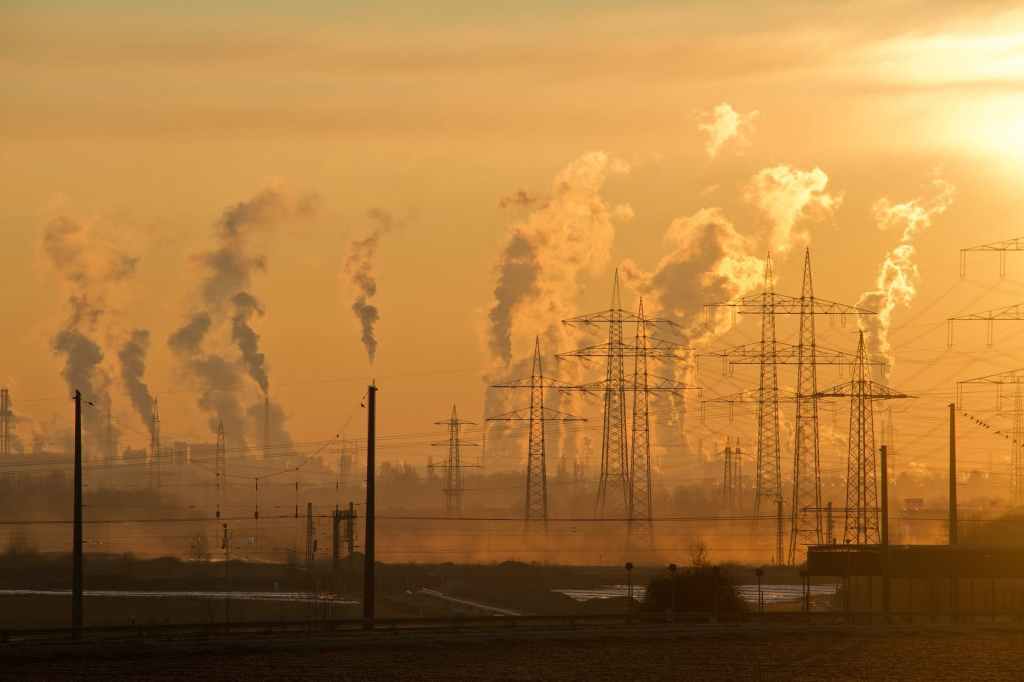
What is climate crisis: Reported by Hindustan Times in November 2023, scientists recently confirmed that the past 12 months have marked the highest temperatures ever recorded globally.[1] The repercussions are evident, with intensified heatwaves and escalating sea levels affecting people worldwide. Climate change poses a significant hazard to sustained growth and prosperity, directly impacting the economic welfare of nations.[2] Its consequences extend beyond the economy, affecting the physical and mental well-being of all living organisms, highlighting the comprehensive impact of this environmental challenge.[3]
The importance of asylum: Asylum holds paramount importance across various realms, serving as a humanitarian refuge for those fleeing persecution, conflict, or environmental crises like climate change. It represents a fundamental expression of compassion and solidarity, upholding human rights and dignity, which are central to various world constitutions.[4] The importance of asylum extends beyond legal considerations, encapsulating ethical imperatives, international cooperation, and the shared responsibility of nations to provide sanctuary for those in need.
Need to address legal aspects of climate displacement: In the context of climate change, asylum gains additional significance as communities facing displacement due to environmental upheavals seek protection. According to a statement by Ian Fry, the UN Special Rapporteur on human rights and climate change, 30.7 million individuals were forced from their homes in 2020 due to weather-related events, with droughts being the primary cause. He emphasized the urgent need for legal safeguards for these displaced individuals, highlighting the imperative to take immediate action to provide legal protection for those affected by climate-induced displacement.[5] This shows that climate change is real and must be addressed. The best way is we can coerce political leaders of the big nations to give refugees to the people who are in desperate need of the same. Recognizing and addressing climate-induced migration within asylum frameworks is crucial for fostering global resilience and justice.[6]
Legal Criteria for climate-related asylum claims
A recognized gap persists in international legal frameworks designed to address displacement resulting from climate change.[7] Limited legal frameworks exist in this context, with the 1951 Convention on the Status of Refugees, where individuals who are fleeing due to the negative effects of climate change and natural catastrophes may be eligible to apply for refugee status. Similar to any other claim, one made in relation to climate change or a disaster must demonstrate that the party meets the requirements like demonstrating a connection between the act being committed and its potential effects on the claimant, demonstrating how negatively impacted by climate change or disasters interact with conflict and violence, and if there are any options for internal flight.[8] Furthermore, “anyone who, owing to events seriously disturbing public order in either part or the whole of his country of origin or nationality, is compelled to leave his place of habitual residence in order to seek refuge in another place outside his country of origin or nationality” is granted refugee protection under Article I (2) of the 1969 OAU Convention.[9] “Persons who have fled their country because their lives, security, or freedom have been threatened by other circumstances which have seriously disturbed public order” should be included in the definition of refugees, according to the 1984 Cartagena Declaration.[10] Additionally, the principle of non-refoulement and international human rights law may extend protection, such as the right to be protected from irreversible harm by Articles 6 (right to life) and 7 (prohibition of torture and cruel, inhuman, or degrading treatment or punishment) of the International Covenant on Civil and Political Rights, an individual may be protected from return if there is a genuine risk of suffering serious harm.[11] This is especially important in areas where the other two do not apply. Whether arising from sudden or slow-onset effects, states are obligated to ensure fair and efficient Refugee Status Determination (RSD) procedures for assessing the need for international protection.[12] However, these procedures may not fully address the needs of marginalized populations threatened by climate change impacts, as will be discussed in the subsequent sub-headings.Top of Form
The need for the definition of climate refugee: Asylum is structured around a fear of human-instigated harm, not an event like a natural disaster or its aftermath. Accordingly, individuals impacted by climate displacement may initially express a story that does not appear to fall within the refugee definition.[13] The current absence of a universally accepted definition for “climate refugee” underscores a critical need in the realm of international law and migration policy. Defining “climate refugee” is essential for several reasons.[14] First, it provides legal clarity and a basis for establishing criteria to identify individuals eligible for protection under international refugee law. A clear definition would facilitate the development of targeted policies, ensuring that the rights and needs of climate-displaced individuals are recognized and addressed appropriately. It is also crucial for fostering international cooperation and coordination. It allows for a shared understanding among nations, aiding in creating consistent legal frameworks and protocols for handling climate-related migration. This, in turn, promotes a more organized and effective response to the challenges posed by climate-induced displacement on a global scale. The absence of a formal definition also contributes to the ambiguity surrounding the responsibilities of host countries and the level of protection to be afforded to climate refugees. A universally accepted definition would help establish clear guidelines on the obligations of nations in providing asylum and support to those displaced by environmental changes. By thoroughly examining an individual’s case and analyzing the circumstances through the lens of climate change, advocates can pinpoint plausible asylum theories within climate-related scenarios. As advocates come across more applicants seeking refuge from climate and environmental threats, they can be assured that the refugee definition is adaptable enough to encompass a variety of climate change cases.[15]
Jurisdictional complexities[16]: Climate-related asylum claims introduce jurisdictional complexities due to the inherent transnational nature of climate-induced displacement. The phenomenon of climate change, oblivious to national borders, often compels individuals to cross multiple boundaries, making it intricate to determine which specific country should assume jurisdiction over asylum claims. This complicates the processing and handling of displaced populations, raising questions about the fair and efficient allocation of responsibilities. Furthermore, the shared responsibility among nations in addressing climate-induced displacement adds another layer of complexity. The global nature of climate change implies that multiple countries may be implicated in both the causes and consequences of displacement. Determining which nation or nations should bear responsibility for providing protection and asylum becomes a nuanced challenge, requiring collaborative efforts and shared commitments. Differing legal standards across countries represent an additional challenge. Varied legal procedures for granting asylum introduce inconsistencies and disparities in evaluating and processing climate-related asylum claims. This divergence prompts concerns about the fairness and equity of the asylum process, urging the need for harmonization and standardized approaches. Thus, coordinating efforts among countries proves challenging due to varying priorities and capacities. Moreover, the extraterritorial reach of climate change impacts, such as sea-level rise, challenges traditional notions of asylum. Displacement may occur before individuals physically cross borders, prompting a reevaluation of when and how individuals facing imminent threats from climate change can seek protection. This necessitates a broader perspective on the application of asylum laws and the development of adaptive legal frameworks. Addressing these jurisdictional complexities demands a concerted international effort to establish clear guidelines, foster cooperation, and adapt existing legal frameworks. Such initiatives are vital to providing fair and just treatment for individuals displaced by the multifaceted impacts of climate change.
Individual responses: In its important decision on an asylum claim related to climate change, the UN Human Rights Committee has ruled that nations cannot deport individuals facing conditions induced by climate change that violate the right to life. Ioane Teitiota’s 2015 asylum plea in New Zealand was rejected, leading to his deportation to Kiribati. He contended that rising sea levels and climate change made Kiribati uninhabitable, causing land disputes and environmental degradation. While the Committee found New Zealand did not violate Teitiota’s right to life, it established groundbreaking standards for future climate-related asylum claims. The decision emphasizes the global responsibility in aiding nations affected by climate change.[17]
Legal Evolution for Climate-Induced Displacement
Reinterpreting International Agreements: In the previous section, there was a discussion about the legal claims that can be made for climate-induced displacement, and concluded that there is a need to the examination of how international agreements, such as the Refugee Convention, should be reinterpreted to encompass climate-induced migration. Despite the extensive array available, international law lacks a clear mechanism or legally binding solutions for these displaced individuals, as previously discussed. The UNHCR has taken a stance, asserting that people fleeing the adverse effects of climate change and disasters may have valid claims for refugee status under the 1951 Convention.[18] It acknowledges that the impact of climate change and disasters is often exacerbated by factors like poor governance, public disorder, fragile ecosystems, socioeconomic inequalities, xenophobia, and political or religious tensions, which can lead to violence and compel individuals to seek international protection.[19] However, this guidance and existing international refugee law may apply only in specific situations where climate change effects intersect with other factors, such as violence and conflict, and do not address displacement resulting from gradual climate change or climate processes. As mentioned earlier, none of these instruments or reports hold legally binding force for states, which retain the ultimate authority in providing protection for individuals displaced across borders. International actors stress that states must be the entities extending legal status to those displaced by climate change.[20] Until, there is greater coherence on global instruments, the most relevant levels of protection are found in the domestic implementation of regional agreements and actions taken by individual countries, as elaborated in the following sections.
Advocacy for policy reforms: There exists a pressing need for legal and administrative policy reforms to accommodate asylum claims arising from climate-related displacement, with the regional level identified as the most suitable arena for these reforms. The UNHCR handbook underscores that the primary responsibility for preventing and addressing displacement lies with states, emphasizing the imperative to find durable solutions for those displaced.[21] Various regional mechanisms and frameworks, offering broader definitions of refugees and migrants with protection rights, present increased prospects for recognizing individuals displaced by climate change, coming with their own set of challenges. One notable regional protection instrument is the 1969 Organization of African Unity (OAU) Convention, applicable in 46 African countries. While broadening the UN definition of a refugee, it does not explicitly cover climate change or environmental disasters, though their potential impact on public order is acknowledged.[22] Yet, the OAU Convention lacks specific provisions guaranteeing protection for individuals fleeing due to climate change, necessitating a case-by-case assessment of their refugee claims. More recently, the Intergovernmental Authority on Development (IGAD) in Eastern Africa endorsed the Protocol on the Free Movement of Persons, recognizing climate change and environmental degradation as significant drivers of displacement.[23] While facing challenges in national ratification and implementation, this protocol holds promise, particularly for countries severely affected by drought and environmental degradation. The Arab Convention on Regulating Status of Refugees in the Arab Countries, despite lacking legal binding due to non-ratification by the League of Arab States, includes natural disasters as a qualifying reason for refugee status.[24] However, some League of Arab States members, including major refugee-hosting states like Lebanon, Jordan, and Saudi Arabia, have not recognized the 1951 Refugee Convention. Further regional frameworks, such as the Pacific Regional Framework on Climate Mobility, are under discussion. Although promising, their effectiveness remains challenging to assess due to the complex nature of climate-induced migration intersecting with various drivers, including economic factors. Additionally, data on displacement due to slow-onset climate change or climate processes is limited, hindering a comprehensive evaluation of the protection these frameworks offer.[25] Despite their potential, the practical impact of these regional initiatives remains uncertain, requiring continued scrutiny and assessment.
Harmonizing legal mechanisms: Climate-induced displacement introduces unique challenges that require a reevaluation of existing legal frameworks. Aligning environmental and asylum laws entails adapting the frameworks to consider the specific circumstances of individuals seeking asylum due to environmental factors. Recognizing climate change as a valid basis for seeking asylum becomes a pivotal aspect of this alignment. While asylum laws traditionally cover persecution based on race, religion, or nationality, harmonization expands the definition of persecution to encompass harms caused by environmental changes.[26] This involves acknowledging that climate-induced displacement, arising from phenomena like rising sea levels and extreme weather events, can constitute a genuine fear of persecution.[27] Moreover, the criteria for refugee status often revolve around well-defined categories. Harmonization ensures that climate refugees, facing displacement due to changing agricultural conditions or exposure to extreme weather, are eligible for protection under the law.[28] Climate-induced displacement, often stemming from slow-onset events like sea-level rise or droughts, poses a unique set of challenges not neatly fitting into traditional definitions of persecution. Aligning environmental and asylum laws necessitates recognizing these nuances and ensuring that legal frameworks can accommodate the complexities of climate-related displacement. Harms may not always be direct or intentional; they can result from systemic problems such as exclusion from disaster preparedness programs or inadequate government responses, the process ensures that the legal framework acknowledges these indirect harms and systemic challenges.[29] Thus, we can say that the alignment of environmental and asylum laws is a nuanced and adaptive process. It involves modifying existing legal structures to address the specific needs and challenges faced by individuals seeking asylum due to the impacts of climate change. This adaptation ensures that the legal framework is comprehensive, responsive, and capable of addressing the evolving dynamics of forced migration caused by environmental factors.
Upholding the rule of law: Emphasizing the fundamental principle of upholding the rule of law is crucial in the context of addressing climate-related asylum claims. The rule of law serves as the cornerstone of fair and just governance, ensuring that legal processes are transparent, accountable, and applied consistently.[30] In the realm of climate-induced displacement, adhering to the rule of law becomes imperative to safeguard the rights of those seeking asylum due to environmental factors. Ensuring a just and lawful process involves a collective effort from various stakeholders, including legal practitioners, non-governmental organizations (NGOs), and governments.[31] These entities play distinct roles in upholding the rule of law throughout the entire asylum-seeking process, from initial claims to final determinations. Legal practitioners, including lawyers and advocates, play a pivotal role in upholding the rule of law. Their responsibility extends to ensuring that climate refugees have access to legal representation, facilitating a fair and impartial hearing. Legal practitioners contribute to the adherence to due process, challenging any potential violations and advocating for the proper application of existing laws in the context of climate-induced displacement. By doing so, they contribute to the integrity of the legal system and the protection of individuals seeking asylum.[32] Non-governmental organizations (NGOs), as well, serve as advocates, raising awareness about the legal rights of climate refugees and monitoring the application of existing laws. NGOs may provide support in the form of legal aid, ensuring that individuals have access to the necessary resources to navigate complex legal processes. Through their advocacy and assistance, NGOs contribute to the accountability of governments and legal systems, fostering a climate where the rule of law is paramount.[33] Governments, as key stakeholders, bear the responsibility of ensuring a just and lawful process for climate refugees. This involves not only aligning existing laws with the unique challenges posed by climate-induced displacement but also establishing transparent and efficient procedures. They need to create an environment where the rule of law is upheld at every stage, from the acceptance of asylum claims to potential appeals. By actively engaging in legal reforms and collaborations, governments contribute to the establishment and maintenance of a legal framework that respects the rights and dignity of individuals affected by climate change.[34] In essence, upholding the rule of law in the context of climate-related asylum claims is a multifaceted effort that requires collaboration among legal practitioners, NGOs, and governments. By fulfilling their respective roles, these entities contribute to a just, transparent, and accountable legal process that respects the rights and humanity of climate refugees.
Conclusion
In confronting climate change while seeking asylum, it is evident that the intersection of environmental challenges and refugee protection demands urgent attention. As climate-induced displacement becomes a global reality, the legal landscape must evolve to ensure fair and effective responses. This necessitates wide-ranging reforms, both at the national and international levels, harmonizing environmental and asylum laws. Advocated by scholars, a comprehensive approach called due process mandates equitable evaluation, legal representation, non-discrimination, the right to appeal, and transparent procedures, fostering trust and fairness in the asylum process, that addresses the unique vulnerabilities of climate refugees is paramount for a just and sustainable future.[35] Advocates can assert that harm arises from a protected ground, highlighting the heightened risks faced by already marginalized groups like women, children, LGBTQ+ individuals, and rural and Indigenous communities in the face of climate change and disasters. Effective and innovative advocacy is crucial in formulating compelling legal arguments of this nature.
[1] Tannu Jain, As global temperatures soar to unprecedented heights urgent climate intervention is needed, The Hindustan Times (Nov 17, 2023, 9:13 am), https://www.hindustantimes.com/.
[2] What is climate change? A really simple guide, Bbc News (Jun 29), https://www.bbc.com/.
[3] Id.
[4] John Aziz, The importance of asylum, The Week (Jan 9, 2015), https://theweek.com/.
[5] United Nations Human Rights Office of the High Commissioner, UN Experts calls for full legal protection for people displaced by climate change, United Nations (Jun 27, 2023), https://www.ohchr.org/.
[6] Id.
[7] A CGRS Report on the Practice Advisory: Analyzing asylum claims for individuals fleeing climate change or environmental disasters, 2023, https://uchastings.app.box.com/s/i9d9kncmqpchintrk76nys8agvqza3ym.
[8] The 1951 Convention on the Status of Refugees, 1951.
[9] Article I (2) of the 1969 OAU Convention, 1969.
[10] The 1984 Cartagena Declaration, 1984.
[11] Report of the U.N. High Commissioner for Refugees (“UNHCR”), Part II Global Compact on Refugees: Summary of climate-related provisions, https://www.unhcr.org/5c9e13297.pdf.
[12] Id.
[13] Jane McAdam, Climate Change, Forced Migration, and International Law, Oxford University
Press, 48-49, 2012.
[14] Joanna Apap, The concept of climate refugee: Towards a possible definition, European Parliamentary Research Service, 2019.
[15] Id.
[16] UNHCR, Legal Considerations Regarding Claims for International Protection Made in the Context
of the Adverse Effects of Climate Change and Disasters, 2020, https://www.refworld.org/docid/5f75f2734.html.
[17] United Nations Human Rights Office of the High Commissioner, Historic UN Human Rights case open doors to climate change asylum claims, United Nations (Jan 21, 2020), https://www.ohchr.org/.
[18] UNHCR, Handbook on Procedures and Criteria for Determining Refugee Status and Guidelines on International Protection Under the 1951 Convention and the 1967 Protocol Relating to the Status of Refugees, 2019, http://www.refworld.org/docid/5cb474b27.html.
[19] Id.
[20] Id.
[21] Martín Gil, Ana, Pamela Lizette Cruz, Kelsey Norman, and Ivonne Cruz, How Can We Protect “Climate Refugees”? Rice University’s Baker Institute for Public Policy, 2022 https://doi.org/10.25613/VZ6N-FF86.
[22] The 1969 Organization of African Unity (OAU) Convention, 1969.
[23] The Intergovernmental Authority on Development (IGAD) in Eastern Africa, 1987.
[24] The Arab Convention on Regulating Status of Refugees, 1994.
[25] supra Note 21.
[26] Katharine M. Donato, Amanda Carrico, & Jonathan M. Gilligan, Law must adapt for climate refugees, The Revelator, 2021, https://therevelator.org/laws-adapt-climate-refugees/.
[27] Id.
[28] John Podesta, The climate crisis, migration and refugees, Brookings, 2019, https://www.brookings.edu/articles/the-climate-crisis-migartion-and-refugees/.
[29] Id.
[30] 33 UNHCR, Legal Considerations Regarding Claims for International Protection Made in the Context of the Adverse Effects of Climate Change and Disasters, International Journal of Refugee Law, 1, 2021, 151–165, https://doi.org/10.1093/ijrl/eeab026.
[31] Id.
[32] supra Note 21.
[33] Id.
[34] Id.
[35] Office of the High Commissioner for Human Rights, Understanding human rights and the climate change, 21st Conference of the Parties to the United Nations Framework Convention on Climate Change, https://www.ohchr.org/sites/default/files/Documents/Issues/ClimateChange/COP21.pdf.
Author: Snigdha Khandelwal
 Juris Centre