
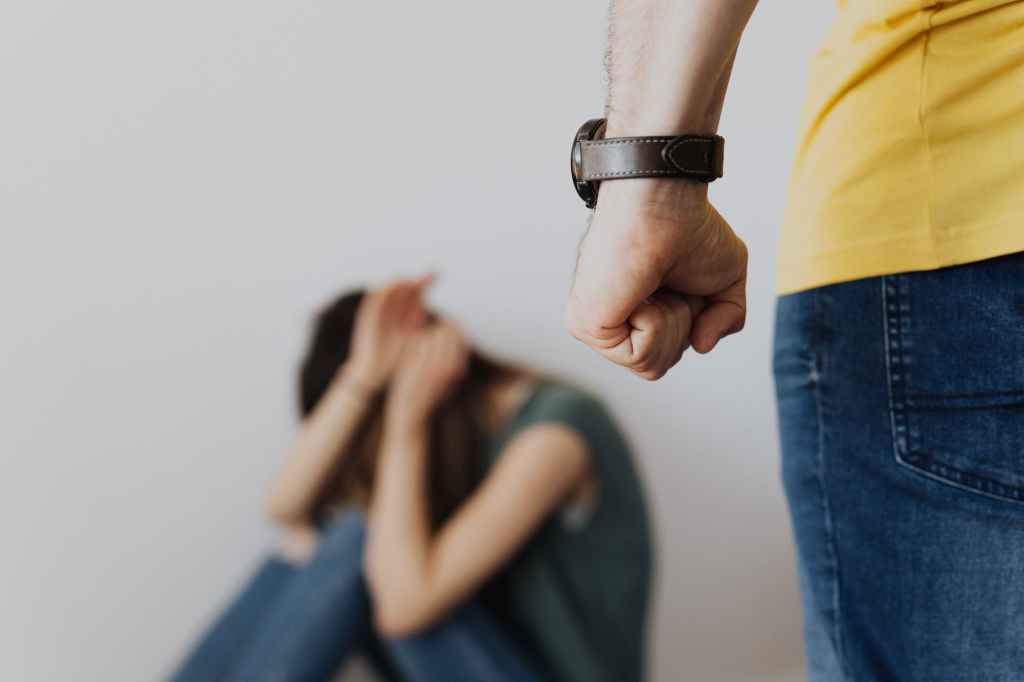
Behind unrestricted doors, within the veritably confines of homes meant to give safety and solace, a dark and distressing reality frequently unfolds – domestic violence. This minatory miracle transcends boundaries of terrain, culture, and socioeconomic status, affecting individualities in ways that scar not just their bodies, but their minds and spirits as well. In this introductory disquisition, we will unveil the disquieting conception of domestic violence, probing into its colorful angles and the significant impact It has on the lives of those entangled in its grasp. Domestic violence, frequently shrouded in silence and secretiveness, involves the use of force, manipulation, or intimidation by one person against another within an intimate relationship. It encompasses a range of vituperative actions – from physical assaults and verbal pitfalls to emotional manipulation and coercive control. The scars it leaves, both visible and unnoticeable, have far- reaching consequences, not only for the immediate victims but for families, communities, and society at large. In this blog, we’ll claw into the harrowing reality of domestic violence, anatomize its far- reaching consequences, and explore comprehensive measures to break the cycle. Domestic violence is defined as violence or some sort of abuse in a domestic setting, such as marriage or cohabitation, and is also referred to as intimate partner violence.
It Is a widespread occurrence throughout the world, but it is especially prominent in India due to dowry, male dominance, and living in joint family settings. As a result, these variables contribute to women being victims of domestic violence. Not only do women face abuse from their husbands, but also from their husbands’ family members, especially when it comes to dowry, whether it be a lack of it or an inadequate amount. As things are, statistics do not provide an accurate picture.
Knowledge of Domestic Violence
The term “domestic violence” refers to the use of force—physical, psychological, sexual, or otherwise—to intimidate and control a spouse, partner, or other member of the family. The World Health Organisation estimates that one in three women worldwide have experienced physical, sexual, or non-partner sexual violence at some point in their lives.A pattern of behaviour used in any relationship to acquire or maintain power and control over an intimate partner is known as domestic abuse, also known as “domestic violence” or “intimate partner violence.” Abuse is defined as coercive, threatening, or harmful physical, sexual, emotional, or psychological behaviour against another person. This includes any actions that terrify, intimidate, manipulate, inflict harm, humiliate, or place blame on another person. Anyone can experience domestic abuse, regardless of their ethnicity, age, sexual orientation, religion, or gender. It can happen in a variety of situations, including ones between married, cohabiting, or dating couples. People from various socioeconomic origins and educational levels are impacted by domestic abuse.
Indian domestic violence
Sadly, domestic violence is a universal truth in Indian society. In the patriarchal system of India, mistreating women grew to be considered normal. There could be a variety of causes for domestic violence. From a feminist perspective, it may be argued that the patriarchal structure, gender roles that are stereotyped, and the allocation of power in society—either actual or perceived—are the root causes of domestic violence against women. According to this belief, men are seen as being more powerful and stronger than women. Since they have authority over women and their life, they can harm women without repercussions. The woman’s responsibility is to humbly accept her “fate” and the violence directed at her. India, a country with many different cultures and rich traditions, is also struggling with a brutal reality: the widespread problem of domestic abuse. Many times, the hidden suffering endured by innumerable people in their own houses can be found behind the colourful façade. About one-third of married Indian women aged 15–49 who participated in a 2015 Ministry of Women and Child Development study reported having experienced physical, sexual, or emotional abuse.
Aspects of Domestic Violence
When physical force is used against you in a way that injures or endangers you, this is referred to as physical abuse. Physical assault or beating is a felony, whether it takes place within or outside of a family. The police have the authority and power to protect you from a physical attack.
Sexual abuse occurs when you are compelled to engage in undesired, dangerous, or demeaning sexual activities. Forced intercourse is an act of aggression and domestic abuse, even if it is performed by a spouse or intimate partner with whom you have consensual sex. Furthermore, persons who are physically and sexually abused by their partners are more likely to be gravely harmed or killed.Domestic abuse has many different forms and manifests itself in many ways, leaving victims susceptibe to a range of harm:
- Physical abuse is defined as any act that causes physical harm, such as hitting, slapping, punching, or any other type of bodily assault.
- Emotional and Psychological Abuse: When trying to control the emotions and toughts of their victims, abusers frequently employ harsh language, deceit, threats, and seclusion.
- Sexual Abuse: Sexual abuse occurs when a partner is coerced or forced into sexual activity without their consent.
- Economic Abuse: One technique to maintain power and control over a partner is to prevent them from accessing money, jobs, or education.
The complex interactions between numerous components must be examined in order to understand the causes of domestic violence:
- Uneven Power Dynamics: Domestic violence is frequently motivated by unequal power dynamics and used as a weapon to assert dominance and control over the victim.
- Social expectations and gender roles Social norms that are ingrained in gender roles can normalise and support abusive behaviour.
- Violence may have been pervasive in the surroundings in which victims and perpetrators grew up, creating a cycle throughout time.
- Economic Stress: Financial strains have the potential to intensify interpersonal conflicts and serve as a stimulus for abusive behaviour.
- Deeply ingrained patriarchy: Traditionally assigned gender roles and unequal power relations frequently sustain violence against women.
Impact and Wide-ranging Effects
Domestic abuse has effects that go beyond the immediate victim:
1. Physical Well-Being: Victims may experience physical injuries, ongoing suffering, and even grave harm.
2. Mental Health: Abuse frequently brings about anxiety, sadness, and post-traumatic stress disorder due to the emotional trauma it causes.
3. Children: Domestic violence has a negative impact on kids’ emotional and psychological growth.
4. Societal Costs: Due to medical costs, lost productivity, and legal interventions, domestic violence has a major financial impact.
Difficulties and complexity:-
- Underreporting: Fear, shame, financial dependence, or cultural standards frequently prevent victims from reporting abuse.
- Legal Obstacles: Inadequate enforcement procedures and legal frameworks may make it more difficult to safeguard victims.
- Lack of Support: Victims may be discouraged from seeking assistance due to a lack of resources, such as shelters and counselling facilities.
- Normalisation: Social behaviours that minimise or accept domestic abuse can deter intervention.
A Call for Change:
- Strengthening Legal Mechanisms: Stringent enforcement of laws such as the Protection of Women from Domestic Violence Act (PWDVA) is crucial to ensure perpetrators are held accountable
- Raising Awareness: Comprehensive public campaigns can challenge regressive mindsets, encouraging communities to reject violence.
- Empowering Women: Promote education and economic opportunities for women, enabling them to assert their Independence.
- Community Mobilization: Engage local leaders, community groups, and religious institutions to collectively combat domestic violence.
- Support Services: Establish shelters, helplines, and counseling centers to provide immediate support to victims.
Issues and Development
India faces a significant task in ending domestic abuse because of deeply rooted beliefs and socioeconomic conditions. However, advancements are being made. The “Beti Bachao, Beti Padhao” campaign is one example of an initiative that emphasises female empowerment and gender equality. The “One Stop Centre” programme also offers integrated support and assistance to women who have experienced violence.
Significant Cases
- Lata @Sharuti vs. Ajay Kumar:
The current appeal stems from a decision by the High Court of Punjab and Haryana that dismissed a petition challenging the decision of the Additional Sessions Judge in Panipat. The Protection of Women from Domestic Violence Act, 2005’s provisions led to the confirmation of an interim maintenance order to the respondents.
- Smt. Haimanti Mal v. State of West Bengal, 2019:
The petitioner made a plea to the court in accordance with Sections 18, 19, 20, and 22 of the Protection of Women from Domestic Violence Act, 2005, in Smt. Haimanti Mal v. State of West Bengal, 2019. While partially accepting the plea on the contest and ordering the opposing party to pay each of the two small children Rs. 4,000/-, the learned Magistrate denied the wife’s appeal for pecuniary relief.
Perspectives on Constitutions
Article 253 of the Constitution was used by the Parliament to pass the relevant legislation. The Parliament is given the authority to enact laws in accordance with international treaties, conventions, etc., thanks to this provision. In order to implement the recommendations of the UN Committee on the CEDAW, the Domestic Violence Act was passed. All of the Specific Recommendations’ provisions, which are a component of General Recommendation No. 19 of 1992, are covered by the Act.
Conclusion
We must as a society face the unsettling fact that domestic abuse occurs in our homes, neighbourhoods, and communities. It’s a human rights issue, not just a women’s issue. We are all impacted by this problem, regardless of caste, class, or religion. Collective action, governmental changes, and a steadfast dedication to altering societal standards are necessary on the path to ending domestic abuse.The fate of India’s women will determine the country’s future. We can end domestic abuse by promoting a culture that upholds equality, respect, and human decency for everyone. Imagine a country called India where all women are free from fear. Where families turn into havens of understanding and love, where we collectively overcome the darkness of violence to create a greater inclusive furture. Taking on domestic abuse, in my opinion, calls for a concerted effort from all facets of society. The alarming statistics underscore how urgent this issue is. Globally, 137 women are slain by intimate partners or family members every day, according to UN Women. It is morally required of us to end the cycle of violence and establish a society based on equality, safety, and respect. The harrowing accounts of survivors show the strength of the human spirit, but they also expose a system that is failing to safeguard its most defenceless citizens. Change must be achieved through group efforts. We can bring awareness to the darkness that domestic abuse flourishes in by cultivating an atmosphere of empathy, advancing education, and pressing for legislative changes.
Author: Vrinda Tekriwal
 Juris Centre