
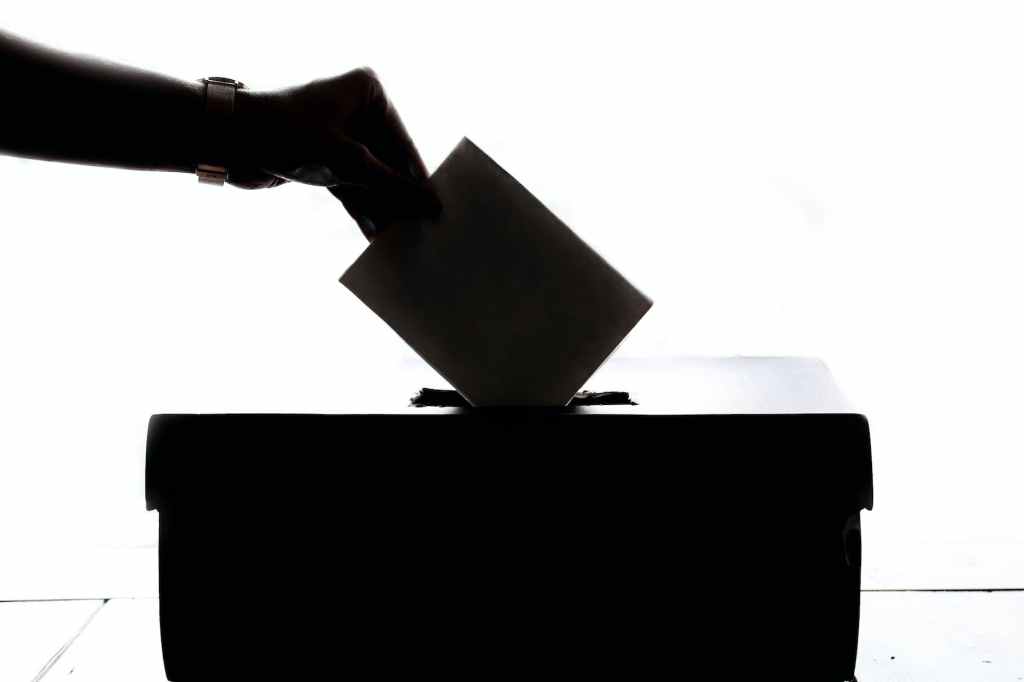
The word Democracy comes from the Greek words “demos”, meaning people, and “Kratos” meaning power; so, it can be thought of as “Power of the People” a way of governing which depends on the will of the people. It is often heralded as the heartbeat of a nation and thrives on the principles of representation, choice, and periodic renewal. In the world’s largest democracy, India has a vibrant tapestry of political expression and has long woven itself into the cultural and constitutional fabric. Yet, the rhythm of this democratic symphony, characterized by a cacophony of electoral contests at various levels of government, has prompted a crucial Question:
‘Can the process be refined without compromising its core principles?’
It is within this complex and evolving landscape that the concept of “One Nation One Election” (ONOE) emerges, offering a tantalizing glimpse into the future of democratic governance in India. A fresh attempt is made by our honourable Prime Minister Mr. Narendra Modi to veer towards one nation-one poll. The eight-member committee, led by former president Ramnath Kovind, was notified by the government on September 2 to look into the question of holding the Lok Sabha and State Assemblies elections at the same time. In this exploration, we embark on a journey to understand the meaning, historical roots, and present feasibility of this initiative that seeks to streamline the democratic process and enhance governance efficiency while preserving the essence of democracy itself.
Meaning of the term “One Nation One Election”
The term “One Nation One Election” succinctly encapsulates its core idea: to hold all elections in the country, be it parliamentary, state legislative, or local, simultaneously. In essence, it seeks to synchronize the electoral calendar so that citizens cast their votes for all levels of government on a single day. This would mean that the five-year cycle for the Lok Sabha, the lower house of India’s parliament, would align with the terms of state legislatures and local bodies, fostering a more streamlined approach to democracy.
Historical Background
The idea of “One Nation One Election” (ONOE) is not a recent development but has historical roots that can be traced back to the early days of India’s independence and the discussions surrounding the country’s electoral system. In the Post Independence Period (1947-1950s), the founding visionaries also known as the framers of the Indian Constitution, including Dr. B.R. Ambedkar, Jawaharlal Nehru, and Sardar Patel, envisioned a stable and efficient democratic system. The idea was to ensure that elected representatives could focus on governance rather than being constantly engaged in election campaigns. During the drafting of the Constitution and in the early years after independence, there were discussions about the feasibility of simultaneous elections to the Lok Sabha and state legislative assemblies. Even the concurrent election was the norm between 1951 and 1967. [1]During this period elections to the Lok Sabha were held fully or partially with the state polls. While all states went to the polls for the Lok Sabha and local assemblies in 1951-52, the reorganization of states and dismissal of governments saw the percentage of states voting simultaneously for both came down to 76 percent in 1957 and 67 percent in 1962 and 1967. The link broke almost completely in the 1970s. Then in the 1970s-1980s, the idea of ONOE gained momentum during the tenure of Prime Minister Rajiv Gandhi in the 1980s. He proposed simultaneous elections as a means to reduce the frequent disruptions caused by staggered elections and to improve governance. Further, In 1983, the Election Commission of India, in its report to the President, recommended the synchronization of Lok Sabha and state assembly elections to reduce the strain on resources and administrative machinery. With the progress in time, the 117th Law Commission of India in the 1990s published several reports during this period that explored the feasibility of ONOE. These reports highlighted the advantages of simultaneous elections, including cost savings and improved governance. Even the Atal Bihari Vajpayee-led government expressed support for ONOE during [2]its tenure. The government’s support brought the concept back into the spotlight but the implementation of the same was not seemed to be possible.
Again in January 2017, at a function of the NITI Aayog, India’s premier think tank, released a discussion paper titled “Economic Impact of Simultaneous Elections.”[3] The paper outlined the advantages of ONOE and called for its implementation. Prime Minister Narendra Modi has been a vocal proponent of ONOE. He has stressed the need for a nationwide debate on the issue and has highlighted the potential benefits of holding simultaneous elections. Curiously, Modi’s push followed a parliamentary committee report in December 2015 — under the chairmanship of the then Rajya Sabha MP EM Sudarsana Natchiappan of the Congress — recommended simultaneous elections to the Lok Sabha and the state assemblies. In 2019, the 79th Parliamentary Standing Committee on Personnel, Public Grievances, Law, and Justice released a report on the feasibility of ONOE. The committee recommended simultaneous elections, subject to legal and constitutional changes.
Thus, the concept of one nation one election has a historical background rooted in the founding principles of the Indian Constitution.
Need For Simultaneous Election
The need for ONOE is evident, but its realization is not without challenges. Constitutional amendments, legal reforms, political consensus, and logistical coordination are substantial hurdles that must be overcome. Nevertheless, as India evolves as a democratic powerhouse, the quest for ONOE remains a poignant reflection of the nation’s commitment to strengthening its democratic institutions while adapting to the ever-changing needs of its diverse populace. In the bustling landscape of Indian democracy, the cacophony of elections reverberates ceaselessly. From panchayats to parliaments, voters in the world’s largest democracy find themselves at the polling booths frequently. The need for this reform arises from several compelling reasons that resonate with the principles of efficiency, stability, and effective governance.
Firstly, the existing electoral cycle in India is a continuous process, with elections being held at various levels – local, state, and national – frequently. This perpetual state of electioneering often hampers the government’s ability to focus on governance and policy implementation. With “One Nation, One Election,” we could reduce the frequency of polls, allowing elected representatives more time to work on delivering the promises made during their campaigns, leading to more stable and consistent governance.
Secondly, the staggering costs associated with multiple elections are a significant concern. Conducting elections at different levels consumes considerable resources, both financial and human. By consolidating elections into a single event, we could substantially cut down on the enormous expenses incurred during separate electoral processes, thereby freeing up resources for essential developmental activities.
Moreover, the perpetual cycle of elections often results in policy paralysis, as parties prioritize short-term gains over long-term planning. One significant advantage of synchronized elections is that political parties would be compelled to draft more comprehensive and forward-looking manifestos, with a greater emphasis on development and policy reforms rather than populist measures aimed at winning immediate votes.
Additionally, “One Nation, One Election” could potentially reduce the divisive and polarizing aspects of Indian politics. Frequent elections can foster political opportunism, leading to alliances of convenience that might not align with the best interests of the nation. By holding simultaneous elections, parties might be more inclined to focus on national issues and cooperate across party lines for the common good.
Furthermore, the logistical challenges faced during elections, such as security arrangements and the deployment of personnel, can strain resources and divert attention from critical areas like law and order maintenance and disaster management. A synchronized election process would streamline these logistical challenges, allowing authorities to better allocate resources to address pressing issues.
While the implementation of such a reform may be complex and require consensus among political parties, it represents a significant step toward strengthening India’s democratic processes and ensuring that the nation’s focus remains firmly on progress and development.
PROS OF THE ONE NATION, ONE ELECTION
The One Nation One Election (ONOE) concept in India has garnered attention and debate due to several potential advantages it offers. Here are some of the pros associated with the ONOE concept:
- Impact on development programs and governance due to imposition of Model Code of Conduct by the Election Commission:
The model code of conduct is a set of guidelines issued by the Election Commission of India to regulate the conduct of political parties and candidates during elections. It can positively impact the One Nation One Election concept by ensuring fairness, transparency, and ethical conduct during simultaneous elections. It maintains a level playing field for all parties, prevents the misuse of government resources, encourages civil campaigning, mandates transparency in campaign financing, and facilitates the timely resolution of complaints. The Model Code of Conduct’s enforcement and monitoring become especially crucial in ONOE scenarios, where multiple elections occur concurrently. Ultimately, the MCC helps build public confidence in the electoral process, enhancing the credibility of ONOE and the democratic system.
- Reduced Election-Related Costs:[4]
The financial burden of conducting elections at various levels of government is substantial. Every year, the Government of India and/or respective State Governments bear expenditures on account of conduct, control, and supervision of elections. Besides the Government, candidates contesting elections and political parties also incur huge expenditures. The candidates normally incur expenditures on account of various necessary aspects such as travel to constituencies, general publicity, organizing outreach events for electorates, etc. while the political parties incur expenditures to run the party’s electoral machinery during elections, campaigning by star leaders, and so on. As we can analyze, the cost to the Government of India for conducting Lok Sabha elections has seen a significant jump in recent years. Compared to the cost incurred for conducting 2009 Lok Sabha elections at about Rs. 1115 crores, the same for the year 2014 more than tripled to about Rs. 3870 crores. [5]
Candidates and political parties in their bid to win elections end up spending significantly more than the prescribed expenditure limits. The urge to spend more than prescribed limits to win elections, is consequently blamed as one of the key drivers for corruption and black money in the country. In one of the recent conferences organized by Association for Democratic Reforms (ADR), Dr. S. Y. Quraishi, former Chief Election[6]
Commissioner, remarked “….elections have become the root cause of corruption in the country”. He further mentioned that “….after winning elections, the politician-bureaucrat nexus indulges in “recovering the investment” and that is where corruption begins”. In one of the interviews to a news channel recently, the Hon’ble Prime Minister also remarked “Electoral reforms are necessary if the country has to be rid of black money. It is one of the areas for electoral reforms. I believe the Prime Minister cannot take a decision on this, nor should he do that. There should be a broad discussion.”[7]Coming back to the expenditures incurred by the Government of India, it is very much clear that frequent elections take away opportunities to optimize such costs and lead to a significant yearly outflow of public money every year.
Therefore, from the government’s point of view, holding elections concurrently will undoubtedly assist save the hard-earned money of the taxpayers. This is crucial because effective election spending would result in increased fiscal room for the State and the Union Governments, which could be used for other national development priorities without endangering the nation’s democratic system.
- Better Governance:
Frequent elections can disrupt the functioning of governments, as elected representatives often shift their focus to election campaigns. With One Nation, One Election, elected officials would have a more extended and uninterrupted period to concentrate on policy formulation, implementation, and addressing the needs of their constituents. This has the potential to result in more effective and responsive governance.
- Streamlined Decision making:
Frequent elections can create a climate of policy paralysis, with governments hesitant to make significant decisions in the lead-up to polls. ONOE alleviates this constraint by providing governments with more extended periods for effective policy formulation and execution, facilitating timely and impactful governance.
- Improved security:
The implementation of the One Nation One Election (ONOE) concept holds the promise of improving the security of the country. By synchronizing and streamlining elections at various levels of government, ONOE has the potential to reduce election-related violence and conflicts, as it lessens the frequency of electoral contests. This reduction creates fewer opportunities for political rivalries to escalate into violence, contributing to overall security. Moreover, ONOE facilitates the efficient utilization of security resources, allowing for the concentrated deployment of security personnel during synchronized elections. Enhanced coordination and intelligence sharing among security agencies, as encouraged by ONOE, can lead to more effective surveillance of potential threats. Additionally, by reducing the divisive impact of frequent elections and promoting stability, ONOE enables governments to focus on national security priorities and crisis management. Overall, ONOE has the capacity to create a safer and more secure environment for the nation and its citizens.
CONS OF ONE NATION, ONE ELECTION
The concept of ONOE in India, aims to synchronize elections at various levels of government but this proposal faces several significant challenges and complexities. Such as:
- Constitutional and legal complexities:
The constitutional and legal complexities surrounding the implementation of the One Nation One Election (ONOE) concept have a profound impact on its feasibility. ONOE would require extensive amendments to the Indian Constitution and significant changes to electoral laws and regulations. This complex process involves navigating federalism concerns, potential legal disputes, and the need for clear and unambiguous legal provisions. Effective implementation, public awareness, and judicial review further add to the intricacies. Balancing state autonomy with the objectives of ONOE presents a particular challenge. Overall, addressing these constitutional and legal complexities is essential to realize the vision of ONOE in India.
- Federalism concerns:
Federalism concerns in India impact ONOE significantly. Indian states enjoy substantial autonomy, including managing their elections. ONOE, which aims to synchronize elections, may be viewed as infringing on this autonomy. States address region-specific challenges that could be overlooked in simultaneous national and state elections. Regional parties, relying on local issues, may face challenges competing at both levels. Coordination difficulties, constitutional amendments, and public perception add to the complexity. Balancing synchronized elections with federalism’s principles is essential for ONOE’s success.
- Election Expenditure
However, simultaneous elections will decrease the election expenditure on one hand but on the other hand, it can also incur increased costs for logistics, security, and campaigning. Political parties, especially smaller regional ones, may face financial strain in financing multiple concurrent elections. Effective campaign finance regulations are essential to ensure transparency, accountability, and a level playing field, but enforcing them presents a challenge.
- Regional issues to be overshadowed by National Issues:
The implementation of the One Nation One Election (ONOE) concept may lead to regional issues being overshadowed by national ones during election campaigns. The simultaneous nature of elections could result in a greater emphasis on national narratives, diverting attention and resources away from region-specific concerns. Media coverage and voter focus may prioritize national politics, potentially making it challenging for regional parties to convey their messages effectively and diminishing the importance of local issues. ONOE could present a dilemma for regional parties, as they may need to adapt their strategies to remain relevant in a nationalized election environment. Balancing national and regional priorities within the ONOE framework will be crucial to preserving the diversity of India’s political landscape.
As there are two sides to the same coin, the one nation one election concept also carries advantages and disadvantages. Evaluating its feasibility and desirability requires a thorough examination of these aspects, taking into account the unique complexities of India’s political landscape and governance structure
HOW ONE NATION ONE ELECTION CAN BE BROUGHT IN INDIA
Bringing the One Nation One Election (ONOE) concept to fruition in India is a multifaceted endeavour that involves legal and constitutional reforms, political consensus, and practical planning. As it is not merely an idea but a potential transformation of India’s electoral landscape. To bring this vision into reality, the government must embark on a comprehensive strategy encompassing legal, administrative, and political aspects such as:
- Legislative Reforms: The first critical step involves enacting necessary legislative reforms. The government should introduce and pass constitutional amendments that align the terms of state assemblies with those of the Lok Sabha. This amendment should clearly outline the rules and procedures for transitioning to a synchronized election cycle. The key articles that require amendment are Article 83 which states about the Lok Sabha’s duration, Article 172 duration of state assemblies, and Article 174 dissolution of state assemblies of the Constitution of India[8]. These amendments would explicitly state the fixed terms for these bodies and establish a synchronized electoral calendar.
- Engaging Political Parties:
Building consensus among India’s diverse political parties is a crucial and often challenging aspect of implementing “One Nation, One Election.” This requires a strategic and diplomatic approach. The government should conduct regular all-party meetings to discuss the advantages, disadvantages, and potential modifications to the reform. These meetings provide a platform for political leaders to express their concerns and offer suggestions. Furthermore, the government should be receptive to the apprehension of various parties. Moreover,
- Pilot Projects:
Conducting pilot projects can be a pragmatic approach to assess the practicality of “one nation, one election.” These pilots will serve as a real-world experiment, helping identify and address logistical challenges and ensuring a smoother implementation process. The approach can be conducted by:
- Selection of States: choose a few states or union territories with upcoming elections to conduct pilot projects. This allows for a controlled environment to test the feasibility of simultaneous elections.
- Data Collection: during the pilot projects, gather data on voter turnout, administrative efficiency, cost savings and public feedback. This data will be crucial in refining the reform’s implementation.
- Feedback Mechanisms: establish feedback mechanisms to collect opinions from political parties, election officials, and the general public regarding their experiences with synchronized elections.
- State-level coordination:
Collaboration with the state government is vital. To ensure that the simultaneous election is conducted smoothly at all levels there should be coordination between central government and state government. It helps address logistical challenges, enhances resource efficiency, and fosters cooperative federalism, ultimately contributing to a more streamlined and cost-effective electoral process in India.
Goa’s state legislative election of 1989 is the best example that showed state-level coordination. In Goa, the state legislative assembly elections have been held simultaneously with the 9th Lok Sabha (central) elections in India since 1989. This practice of aligning state and national elections in Goa has aimed to reduce the frequency of elections, optimize resources, and promote more efficient governance. This coordinated approach offered numerous benefits leading to a more streamlined electoral process.
- Electoral Infrastructure:
Electoral Infrastructure plays a crucial role in the successful implementation and growth of the “One Nation, One Election” concept in India. This infrastructure encompasses various elements, such as administrative processes, and technology which are essential for conducting elections. It serves as the backbone of the concept by providing the necessary tools and system to efficiently organize, manage, and conduct elections on a synchronized scale. Here is how the electoral infrastructure can contribute to the growth of simultaneous elections:
- Synchronization of Election Schedules:
Electoral infrastructure allows for the coordination and synchronization of election schedules at various levels, including local, state, and national elections. By efficiently managing the timing of elections, electoral infrastructure ensures that they align with the overarching goal of “One Nation, One Election.”
- Advanced Technology:
Upgrading and modernizing electoral infrastructure with advanced technology, such as electronic voting machines (EVMs) and voter registration systems, is essential. These technologies facilitate the smooth conduct of elections and can handle the increased scale of simultaneous elections more effectively.
- Centralized Data Management:
Electoral infrastructure enables the establishment of secure data centres for managing voter databases, election results, and other critical election-related information. Centralized data management ensures the integrity and security of electoral processes, a fundamental requirement for synchronized elections.
- Voter Registration and Verification:
Effective electoral infrastructure includes voter registration and verification processes that are accessible, accurate, and user-friendly. Streamlined registration and verification contribute to higher voter turnout and ensure that all eligible voters can participate in simultaneous elections.
- Security Measures:
Electoral infrastructure must incorporate robust security measures to protect polling booths, EVMs, and sensitive electoral data. With the concentration of elections during synchronized events, security becomes even more critical to prevent any disruptions or malfeasance.
- Training and Capacity Building:
Electoral infrastructure supports training and capacity-building programs for election officials and poll workers. Ensuring that election staff is well-prepared and equipped with the necessary skills is essential for the successful execution of simultaneous elections.
- Voter Education:
Electoral infrastructure facilitates voter education campaigns that inform citizens about the election process, their rights and responsibilities, and the importance of voting. Well-organized voter education programs contribute to higher voter awareness and turnout during simultaneous elections.
Thus, the electoral structure is the chief support of the one nation one election concept as it provides the most important tools for conducting synchronized elections which should be taken into consideration. It ensures that the logistical and technological requirements are met, promoting a streamlined and effective electoral process across all levels of government.
Top of Form
SIMULTANEOUS ELECTION: SUGGESTIONS AND RECOMMENDATIONS[9]
Views of Election Commission of India
The Election Commission of India is of the view that the general election to the Lok Sabha and State Legislative Assemblies cannot be synchronized without amendment to the provisions of Articles 83, 85,172,174[10] and 356 so as to provide that the term of Lok Sabha and Legislative Assemblies may coincide. Also, situations may arise, from time to time where the five-year term of the Lok Sabha may have to be either curtailed or extended. The same would be the situation in relation to the state legislative assemblies. However, the proposal for simultaneous elections would involve having fixed terms for union and state legislative assemblies. The Election Commission of India has examined and suggested various arrangements for conducting simultaneous elections.
117th Report of the Law Commission of India[11]
Similarly, The Law Commission of India headed by the Honourable former Justice B.P Jeevan Reedy in its 117th report on reform of electoral laws 1999 had suggested simultaneous elections to the Lok Sabha and State Legislative Assemblies with a view to ensuring stability in governance.
The Law Commission of India itself admitted that the desired goal of one election every five years cannot be achieved overnight in the prevailing circumstances. The commission inter alia suggested:
- “… advancing the quotes of some legislative assemblies by making necessary orders so that it can be held with the election of the Lok Sabha;
- The election to other legislative assemblies may be held by making similar adjustments in phases with a view to reducing its frequency until the desired goal of one election for the Lok Sabha and to all the legislative assemblies is achieved;
- If all the political parties co-operate, the necessary steps can be taken without hurting the interest of any political party;
- Maybe, a constitutional amendment can solve the problem. Such an amendment can also provide for extending or curtailing the terms of one or more Legislative Assemblies, say for six months or so wherever it is necessary to achieve the said goal;
The law commission also suggested a simultaneous motion of no confidence in the incumbent government as well as confidence in alternative government by introducing Rule 198A in the Rules of Procedure and Conduct of Business in the Lok Sabha to eliminate the need for mid-term elections and ensure the stability of the Government.
79th Report of Department- Related Parliamentary Standing Committee on Personnel, Public Grievances, Law and Justice, Rajya Sabha
The Department Parliamentary Standing Committee on Personnel, Public Grievances, law and Justice, in its 79th Report[12] took up the issue of simultaneous elections. The committee presented its report Feasibility of holding a simultaneous election to the House of People (Lok Sabha) and state legislative assemblies in the Rajya Sabha on 17th December 2015 and laid it on the table of Lok Sabha on the same day the same day. In the report, the committee also referred to the 117th Law Commission report and made inter alia the following recommendations:
- “… Holding simultaneous election in two phases with elections of some assemblies at midterm of Lok Sabha and remaining with the end of the tenure of Lok Sabha. Under Section 14 and Section 15 of the Representation of People Act, 1951, the election commission can notify the elections of the Lok Sabha and state legislative Assemblies six months prior to the end of their natural terms. This provision may be used to hold elections without extension of terms of some assemblies.
- By-election to all seats falling vacant in a particular year may be conducted together on a pre-determined date/time frame.
- The report of the committee has sought to open up debate on this important issue and to try and establish national consensus to avoid frequent elections.”
CONCLUSION
Thus, “One Nation, One Election” initiative has sparked significant debate and discussion across India’s political landscape. While proponents argue that it could lead to cost savings, administrative efficiency, and better governance, opponents raise concerns about its feasibility, potential dilution of regional voices and the need for constitutional amendments. The idea of synchronizing Lok Sabha and state assembly elections to reduce the perpetual electoral cycle has its merits, but it also presents several challenges.
The initiative’s success will depend on a careful and collaborative approach involving all political parties, constitutional experts, and the Election Commission of India. It necessitates an extensive examination of India’s diverse and complex electoral landscape, including regional variations in politics, culture, and governance. Moreover, it must address concerns regarding the federal structure of the country and the principles of representative democracy enshrined in the Indian Constitution.
As India continues to grow and evolve, it is crucial to find solutions that promote political stability without compromising the essence of its democracy. The “One Nation, One Election” proposal, if implemented thoughtfully and with broad consensus, could be a step in that direction. It has the potential to reduce the burden on resources, minimize political disruptions, and enable policymakers to focus on governance rather than constant electioneering.
However, it is equally vital to tread cautiously, taking into account the unique challenges and diversity that define Indian politics. The process should be characterized by transparency, inclusivity, and respect for the principles of federalism. Amendments to the Constitution should be made judiciously, with a clear understanding of their long-term implications.
In the end, the “One Nation, One Election” initiative presents both opportunities and challenges. It has ignited a much-needed conversation about electoral reform in India. Whether it becomes a reality or not, it serves as a reminder of the dynamism and adaptability of India’s democratic institutions. It is a testament to the nation’s ability to deliberate, debate, and evolve its democratic processes in response to changing times.
As we move forward, it is essential to engage in open and constructive dialogue, embracing the diversity of opinions and perspectives that make India’s democracy vibrant. The quest for electoral reform should be guided by the collective wisdom of the nation, ensuring that any changes made uphold the principles of democracy and strengthen the bonds of unity that tie this vast and diverse country together.
In the end, “One Nation, One Election” is not just an administrative endeavor; it is a reflection of India’s commitment to forging a path of progress while preserving its democratic values. The journey towards synchronized elections is a journey of introspection, adaptation, and, ultimately, the consolidation of India’s democratic legacy in the 21st century.
[1] https://thewire.in/government/past-continuous-simultaneous-parliament-state-elections
[2] https://www.indiatoday.in/news-analysis/story/one-nation-one-election-an-rss-bjp-agenda-lingering-for-two-decades-1551812-2019-06-19
[3] https://loksabhadocs.nic.in/Refinput/Research_notes/English/NL_Simul_Elections_English.pdf
[4] economictimes.indiatimes.com/news/how-to/one-nation-one-election-what-it-mean-for-national-politics-and-voters-what-are-advantages-challanges/articleshow/103269349.cms?from=mdr
[5] https://drive.google.com/file/d/1wKneWYOUeMOfiWPnRXH8PRhUoKjuSKn0/view
[6] https://adrindia.org/events/4th-national-conference
[7] https://www.business-standard.com/article/news-ians/electoral-reforms-necessary-to-curb-black-money-modi-116062701266_1.html
[8] The Constitution of India 1950
[9] https://loksabhadocs.nic.in/Refinput/Research_notes/English/NL_Simul_Elections_English.pdf
[10] https://lddashboard.legislative.gov.in/sites/default/files/COI…pdf
[11] https://lawmin.gov.in/sites/default/files/bgp_0.doc#:~:text=The%20Law%20Commission%20of%20India,of%20the%20qualifications%20necessary%20for
[12] https://sansad.in/rs/committees/18?departmentally-related-standing-committees
Author: Muskan
 Juris Centre